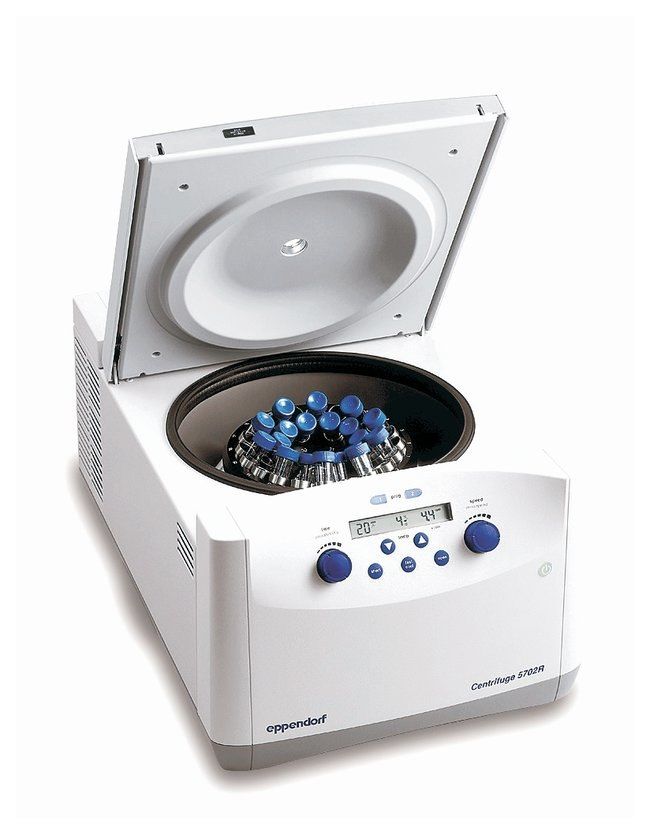
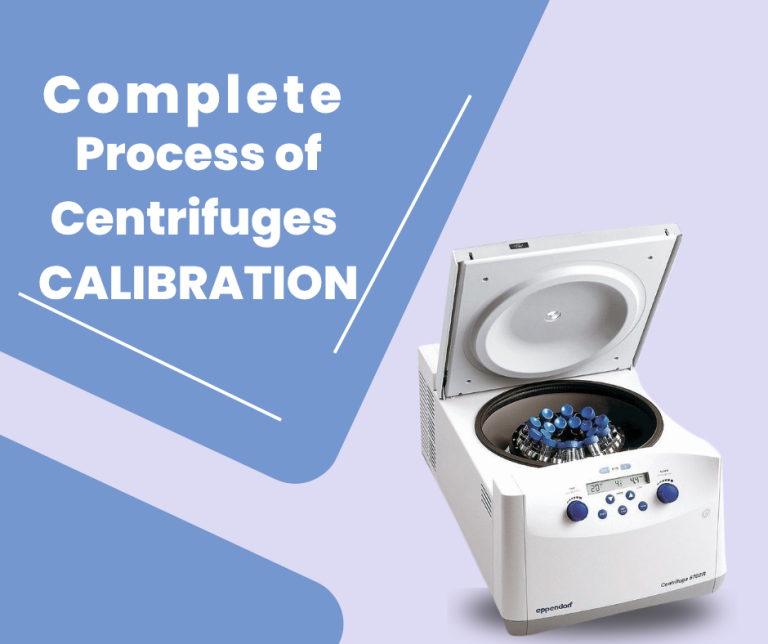
Centrifuges are essential instruments in laboratories for separating substances of different densities. Whether used in medical, research, or industrial labs, accurate centrifuge performance is crucial to ensure reliable test results. Regular centrifuge calibration helps maintain accuracy, safety, and compliance with laboratory standards.
In this centrifuge calibration guide, we will explain how to calibrate a centrifuge, the centrifuge calibration procedure, its importance, and best practices to keep your machine running smoothly.
What Is Centrifuge Calibration?
Importance of Centrifuge Calibration in Laboratories
Ensures accurate and reliable test results.
Maintains centrifuge accuracy testing and performance standards.
Helps detect wear and tear early to prevent breakdowns.
Keeps your lab compliant with quality and safety regulations.
Improves machine lifespan with centrifuge maintenance and calibration
Why centrifuge calibration is important: Even a small deviation in RPM can lead to major errors in lab results. Regular calibration ensures precision and builds confidence in laboratory testing.
Tools Needed for Centrifuge Calibration
Before you begin the step by step centrifuge calibration process, make sure you have
A calibrated tachometer or photo-tachometer (to measure RPM)
A stopwatch or timer (to check time accuracy)
Standard reference materials (if applicable)
The centrifuge manual and service records
A daily centrifuge calibration checklist

Centrifuge Calibration Procedure – Step by Step
Follow these centrifuge calibration steps for accurate results:
1. Preparation
Turn off and unplug the machine.
Clean the rotor and buckets.
Make sure the centrifuge is on a stable, level surface.
Review the centrifuge calibration frequency and schedule from the manufacturer’s recommendations.
2. Set the Desired RPM
Turn on the centrifuge.
Set the target RPM (e.g., 3000 RPM) as per your test requirement.
3. Measure Actual RPM
Use a tachometer to measure the actual rotor speed.
Compare it with the displayed speed on the centrifuge.
This step is called centrifuge speed calibration.
4. Adjust if Necessary
If there’s a difference between actual and displayed RPM, adjust the speed settings according to the machine manual.
Recheck the RPM until it matches the set value.
5. Timer Calibration
Set the centrifuge timer for a specific duration (e.g., 5 minutes).
Use a stopwatch to verify the accuracy of the timer.
If there’s a deviation, adjust or service the timer.
6. Documentation
Record calibration data in a daily centrifuge calibration checklist.
Note the technician’s name, date, RPM readings, and any adjustments made.
How to Check Centrifuge RPM
To ensure speed accuracy:
Set the desired RPM.
Use a tachometer sensor near the rotor without touching it.
Compare the tachometer reading with the centrifuge display.
Adjust if the difference exceeds the allowed tolerance.
Regular centrifuge accuracy testing ensures your machine remains reliable.
Centrifuge Maintenance and Calibration
Good maintenance practices go hand in hand with calibration. Here are some best practices for centrifuge calibration and care:
Clean the rotor and chamber after every use.
Check for unusual vibrations or sounds.
Balance tubes properly before starting.
Inspect seals and gaskets regularly.
Schedule centrifuge calibration frequency and schedule (e.g., monthly or quarterly depending on usage).
Keep calibration records for audits and compliance.
Easy Centrifuge Calibration Methods for Labs
Use digital tachometers for quick centrifuge speed calibration.
Follow manufacturer-recommended calibration intervals.
Train lab staff with a centrifuge calibration guide to avoid mistakes.
Automate calibration reminders to stay on schedule.
Centrifuge Troubleshooting and Calibration Tips
If the centrifuge isn’t reaching the desired RPM, check belts, motor, and settings.
If the timer isn’t accurate, reset or replace it.
For unusual vibrations, make sure the load is balanced.
Always use original spare parts for repairs.
Centrifuge Calibration Frequency and Schedule
The recommended centrifuge calibration frequency depends on usage:
-
Daily check: Basic inspection and RPM check.
-
Monthly calibration: Full speed and timer calibration.
-
Annual service: Professional calibration and preventive maintenance.
Final Thoughts
Proper calibration of centrifuge machine is essential for maintaining laboratory accuracy, safety, and compliance. By following these centrifuge calibration steps and easy centrifuge calibration methods, you can ensure your equipment performs at its best every day.
Remember: Consistent lab centrifuge calibration, timely maintenance, and proper documentation build trust in your test results and make your lab more efficient.