
How Proper Calibration Safeguards Public Health
Introduction
Food safety and access to clean water are not just industrial requirements—they are fundamental human rights. Around the world, billions of people rely on laboratories to ensure that what they consume is safe, healthy, and compliant with strict safety standards. In Pakistan, where the food and water sectors are under constant scrutiny by authorities and consumers alike, the importance of accurate laboratory testing cannot be overstated.
However, the accuracy of lab results depends heavily on the calibration of equipment. Even the most advanced spectrophotometer, pH meter, or analytical balance can produce misleading results if not calibrated properly. A minor drift in accuracy can mean the difference between a product being declared safe or unsafe—or a water sample being classified as potable or contaminated.
This is where ISO-certified calibration becomes crucial. It provides assurance that every test conducted in your lab is accurate, reliable, and defensible in front of auditors, regulators, and international buyers.
At Labtech.pk, we specialize in ISO 17025-compliant calibration services in Pakistan, helping laboratories in the food and water sector protect public health, pass audits, and strengthen their reputation.
What is Laboratory Calibration?
Laboratory calibration is the systematic process of comparing the readings of an instrument against a traceable standard reference. This process identifies and corrects any deviations, ensuring that measurements remain precise and reliable.
-
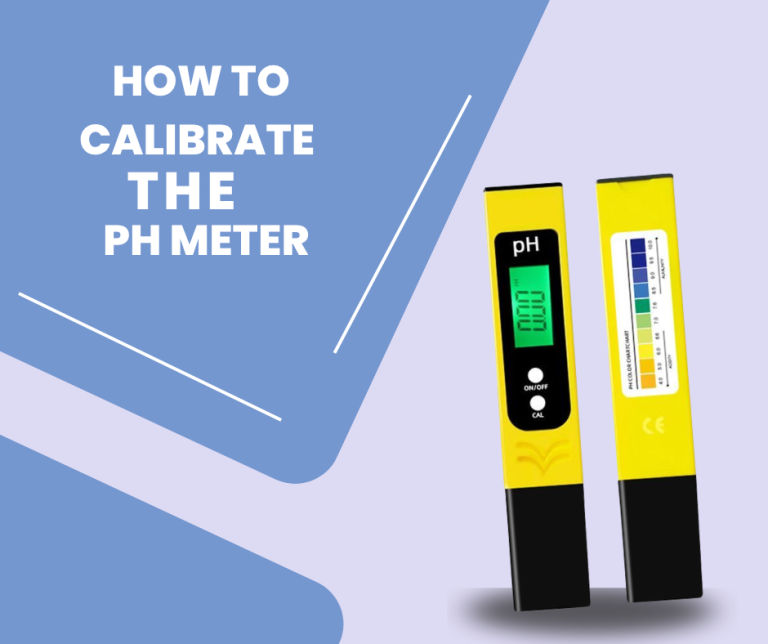
Example: A pH meter used in bottled water testing may start showing a pH of 7.3 instead of 7.0 for neutral water. Without calibration, this error could cause water to be incorrectly classified, leading to compliance issues and potential consumer health risks.
When performed under ISO 17025 standards, calibration is not just about accuracy—it also demonstrates technical competence, global recognition, and traceability of results.
The Hidden Risks of Using Uncalibrated Equipment
Failing to calibrate laboratory instruments can expose organizations to severe consequences. Some common risks include:
1. Compromised Food Safety
Uncalibrated instruments can provide inaccurate readings for microbial contamination, additives, or heavy metals in food. This could lead to unsafe products reaching the market.
2. Unsafe Water Quality Reports
Inaccurate testing of water for arsenic, lead, or microbial contamination can result in contaminated water being labeled safe—putting lives at risk.
3. Regulatory Non-Compliance
In Pakistan, bodies such as PCSIR, DRAP, and Provincial Food Authorities require laboratories to use calibrated equipment. Failure to comply can result in fines, license suspensions, or complete shutdowns.
4. Loss of Credibility
Exporters, pharmaceutical companies, and beverage manufacturers require internationally recognized testing. Uncalibrated results will not be trusted by buyers or regulators.
5. Financial Impact
Rejected consignments, product recalls, and repeat testing can result in significant financial losses for food producers and water bottling plants.
Benefits of Lab Calibration in Food & Water Testing
Calibration offers measurable advantages for labs working in sensitive sectors such as food safety and water quality.
1. Accuracy and Precision
Calibration ensures that every result generated is scientifically valid and accurate, minimizing false positives or negatives.
2. Regulatory Compliance
Authorities such as the Punjab Food Authority, Sindh Food Authority, PCSIR, and WHO guidelines require calibrated equipment for certifications and approvals.
3. International Acceptance
ISO 17025-calibrated equipment produces results that are globally recognized—critical for companies exporting food, beverages, or bottled water.
4. Risk Reduction in Public Health
Regular calibration reduces the chances of unsafe food or contaminated water reaching consumers. This builds consumer trust and safeguards public health.
5. Increased Equipment Lifespan
Instruments that undergo routine calibration and maintenance last longer, reducing replacement costs.
6. Simplified Audits and Certifications
ISO-certified calibration ensures smooth passage during third-party audits, ISO certifications, and international inspections.
Industries in Pakistan That Rely on Calibration
The demand for accurate testing is universal across industries. In Pakistan, some of the most calibration-dependent sectors include:
-
🥗 Food Processing & Beverage Industry – dairy, confectionery, edible oils, meat processing, bottled juices.
-
💧 Bottled Water & Filtration Plants – drinking water companies, mineral water brands, municipal water authorities.
-
🏥 Healthcare & Hospitals – testing food poisoning cases, contamination in IV fluids, and waterborne diseases.
-
🌍 Environmental Testing & NGOs – soil, groundwater, and pollution control analysis.
-
🧪 Research & Universities – academic and government research projects that require validated, credible results.
How Labtech.pk Supports Food & Water Testing Labs
At Labtech.pk, we recognize the unique challenges faced by food and water testing labs in Pakistan. Our services are designed to deliver precision, compliance, and peace of mind.
-
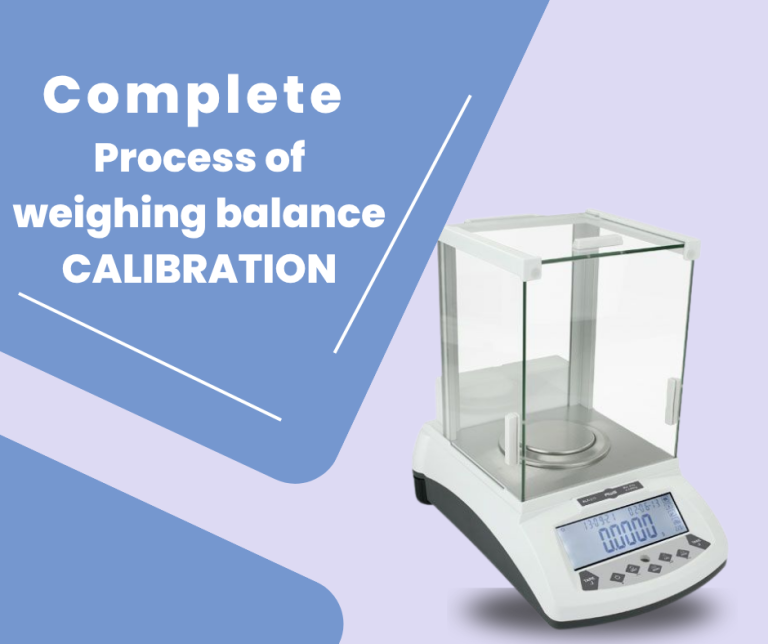
📏 Comprehensive Calibration – balances, pipettes, ovens, incubators, pH meters, spectrophotometers, and more.
-
🛠 Preventive Maintenance Programs – reducing breakdowns and extending instrument life.
-
📑 ISO 17025-Compliant Certificates – documentation accepted by local and international authorities.
-
🚀 Flexible Services – on-site calibration at your facility or in our certified labs.
-
🎯 Tailored Packages – cost-effective solutions designed for food industries, water bottlers, and research labs.
Why Choose Labtech.pk?
ISO 17025 Accredited Calibration
✔ Experienced Technical Team with years of expertise
✔ Nationwide Service Coverage across Pakistan
✔ Affordable Packages with annual maintenance options
✔ Trusted by Top Food & Water Testing Companies
✔ Round-the-Clock Support for urgent calibration needs
Conclusion – Calibration is the Backbone of Food & Water Safety
In a country where food safety and clean water remain pressing challenges, laboratories play a vital role in protecting lives. However, without properly calibrated equipment, even the most advanced lab is vulnerable to error, compliance failures, and reputational damage.
Regular ISO-certified calibration is not just an operational requirement—it is a responsibility toward public health and consumer trust.
👉 At Labtech.pk, we are committed to empowering laboratories across Pakistan with reliable calibration services that meet both national regulations and international standards.
📞 Contact Labtech.pk today to schedule your ISO-certified calibration service and ensure your food and water testing lab is delivering results you, your customers, and regulators can trust.