



PNEUMATIC INSTRUMENTS
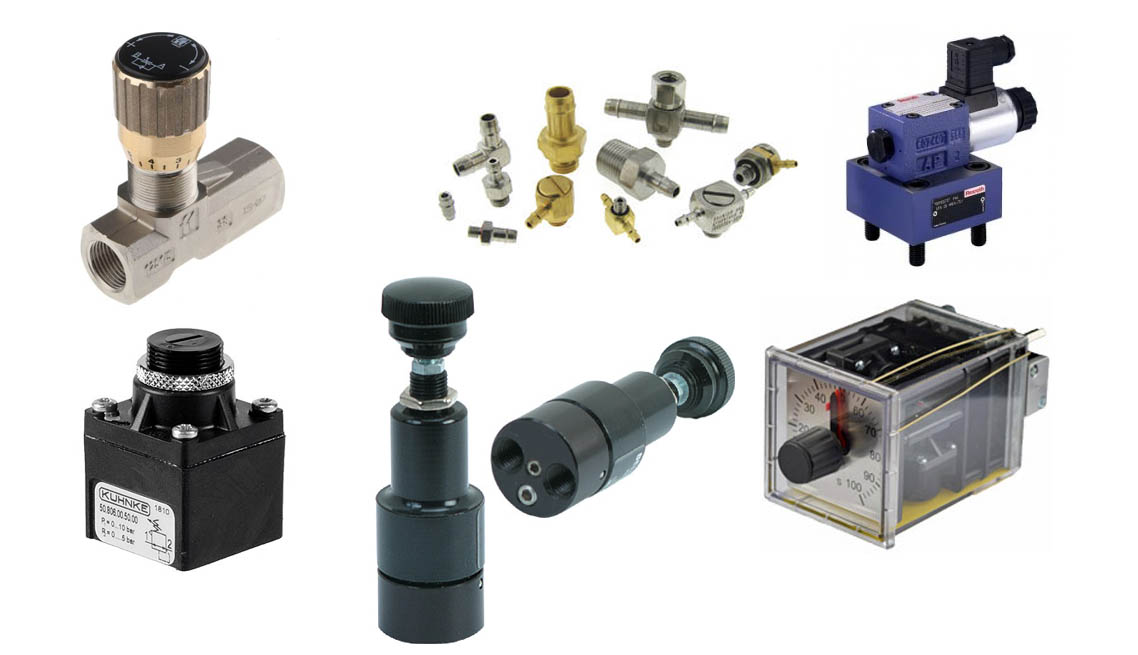
Air pressure can serve as an alternative signaling method to electricity. Consider a pressure transmitter that outputs a varying air pressure based on its calibration, rather than an electrical signal. Instead of requiring a constant voltage supply, this type of transmitter would need a source of steady compressed air, and its output would be transmitted to an indicator through pneumatic tubing rather than electrical wiring.
Advantages of Pneumatic Instruments
Despite the rise of electronic systems, pneumatic instruments still offer distinct technical advantages that make them well-suited—and even preferred—for certain applications, even in the modern industrial landscape.
One of the key advantages of pneumatic field instruments is their intrinsic safety. Since these instruments do not rely on electricity, they cannot produce electrical sparks, making them ideal for use in hazardous or classified environments where flammable gases, liquids, powders, or explosive dusts are present.
Another benefit is their self-purging capability. Pneumatic instruments continuously vent small amounts of compressed air through openings in relays and nozzles. This creates a slight positive pressure inside the instrument, effectively preventing the ingress of dust, moisture, or vapors and keeping the internal components clean.
Additional advantages include:
- Efficient power and signal transmission
- Simple operation and user-friendly design
- Ease of maintenance and repair
- Unlimited availability of the working medium Air, the essential element of pneumatic systems, is readily available in nature, making it a universally accessible and renewable resource.
Types
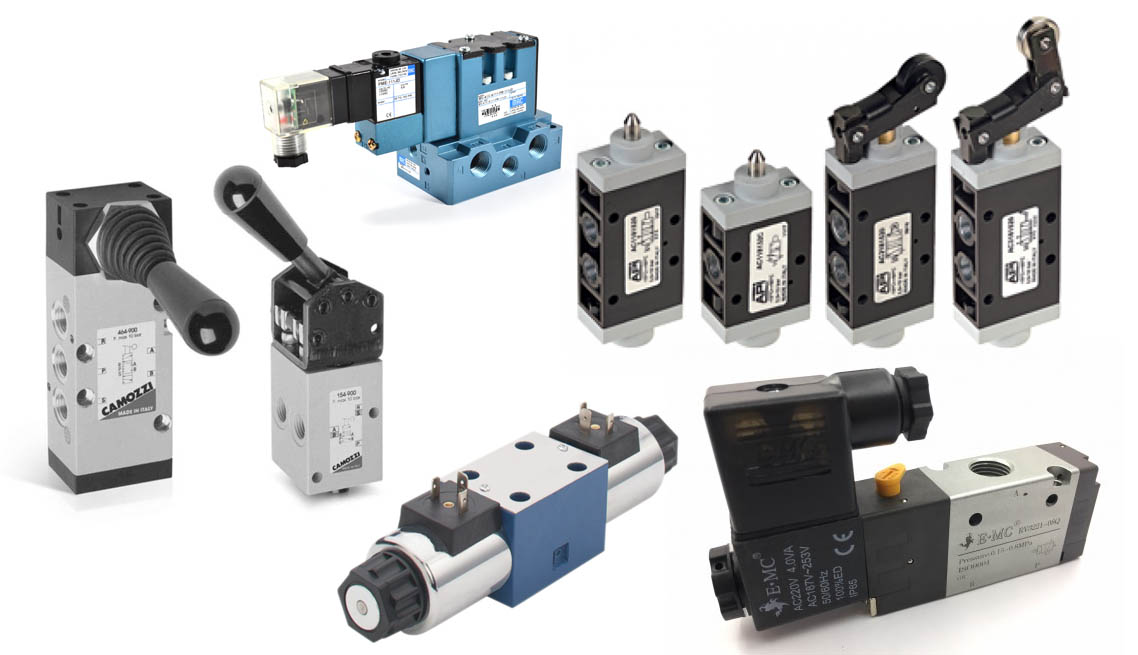
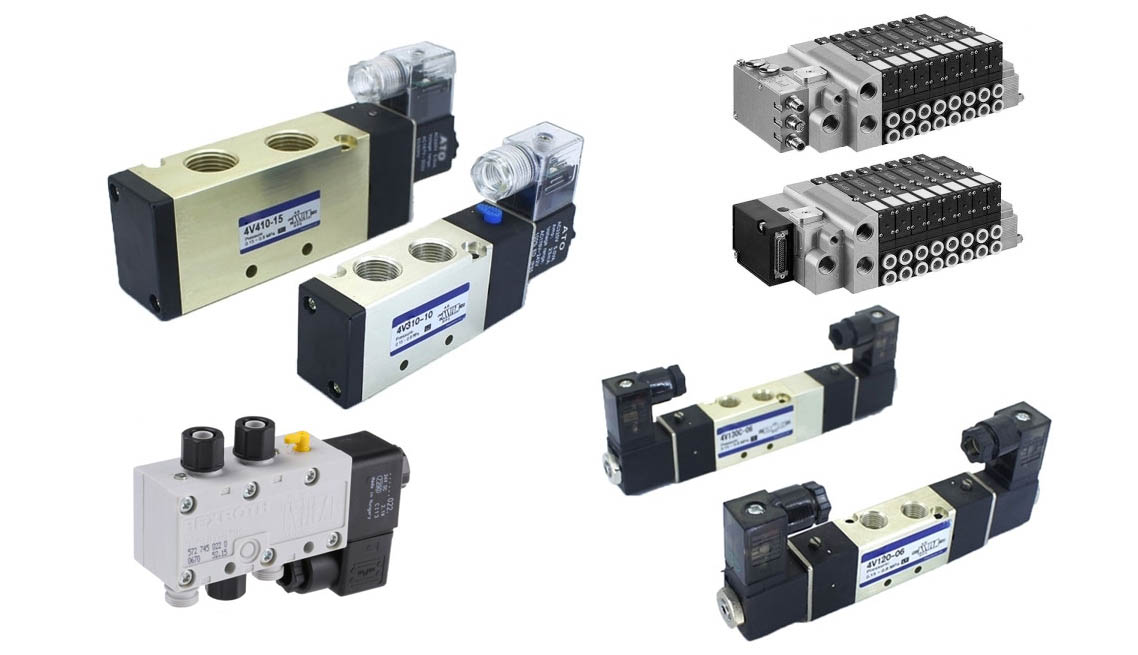
- Standard Valves
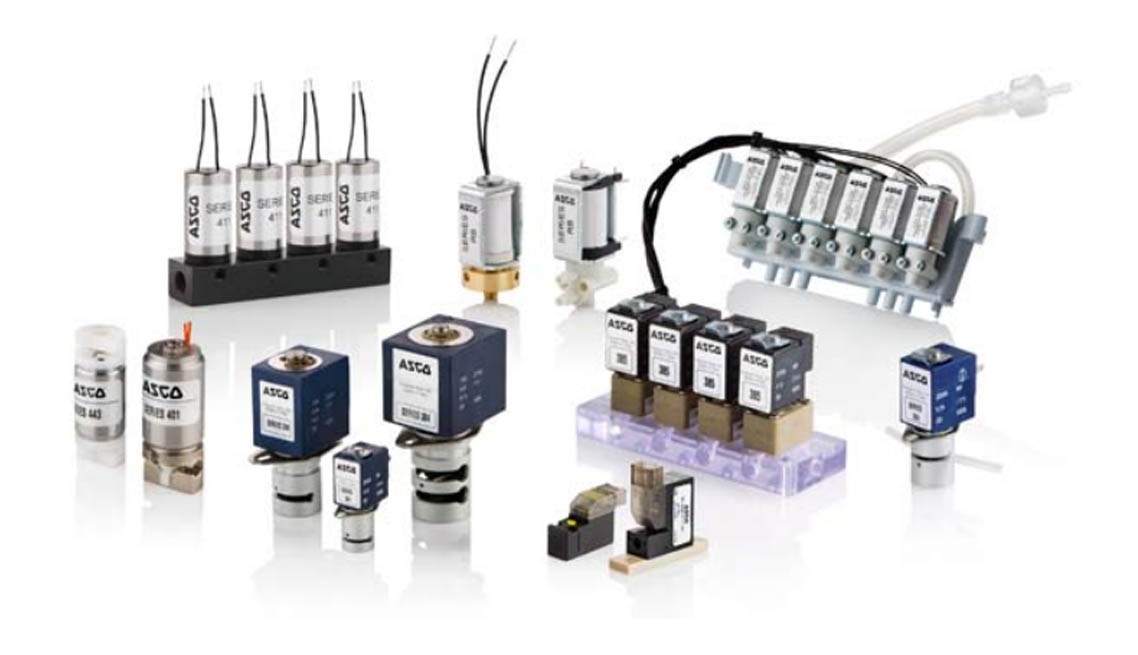
- Miniature Valves
- System Logic Devices
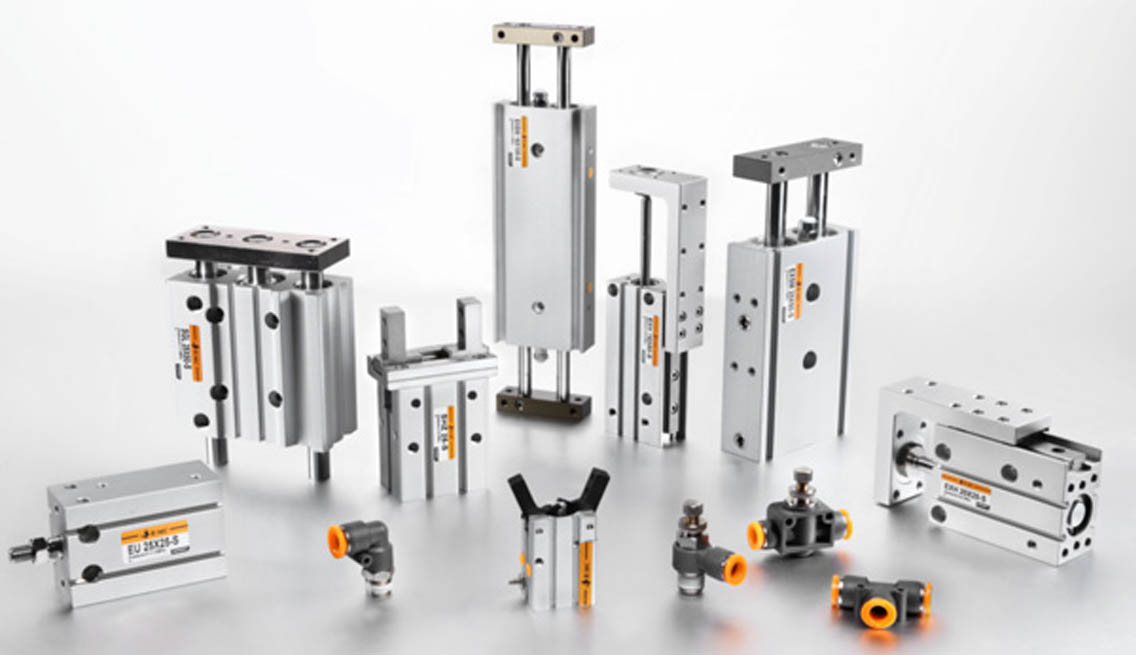
- Cylinders
- Interface Valves
- Accessories
- Commercial Vehicles Applications
Request a Quote

Useful Links
- Home
- About Us
- services
- Contact us
- Request Quote
Contact Info
- Address: 1st Floor, Al Noor Plaza, T Chowk Shah Rukn e Alam Multan
- +92 300 6369604
- sales@labtech.pk
© 2023 AA Lab Tech. All rights reserved