Why Every Laboratory Needs Proper Instrument Calibration
Introduction
In every laboratory—whether it’s testing food quality, analyzing pharmaceuticals, assessing water purity, or monitoring industrial products—accuracy is the foundation of trust. Every result, reading, or analysis depends on how precisely your instruments perform.
Over time, even the most reliable lab equipment can drift from its original accuracy due to regular use, temperature fluctuations, or environmental conditions. This gradual change can lead to inaccurate results if not corrected in time. That’s where instrument calibration becomes essential—it restores accuracy, ensures reliability, and maintains your lab’s reputation for quality.
At LabTech.pk, we believe that calibration isn’t just a technical requirement—it’s a commitment to excellence, precision, and confidence in every test result.
What is Calibration of Lab Instruments?
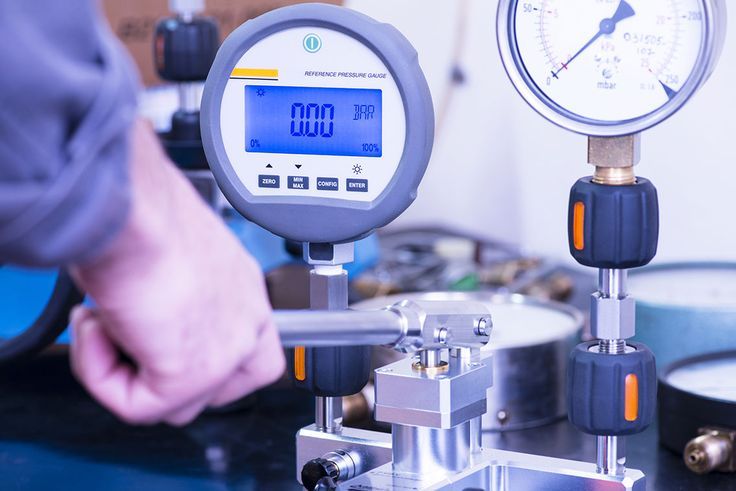
Calibration is the process of comparing an instrument’s readings with a known, certified reference standard. These standards are traceable to international authorities such as the National Institute of Standards and Technology (NIST) or other globally recognized references.
If any deviation is found between the instrument’s reading and the reference value, adjustments are made to bring the device back within acceptable accuracy limits.
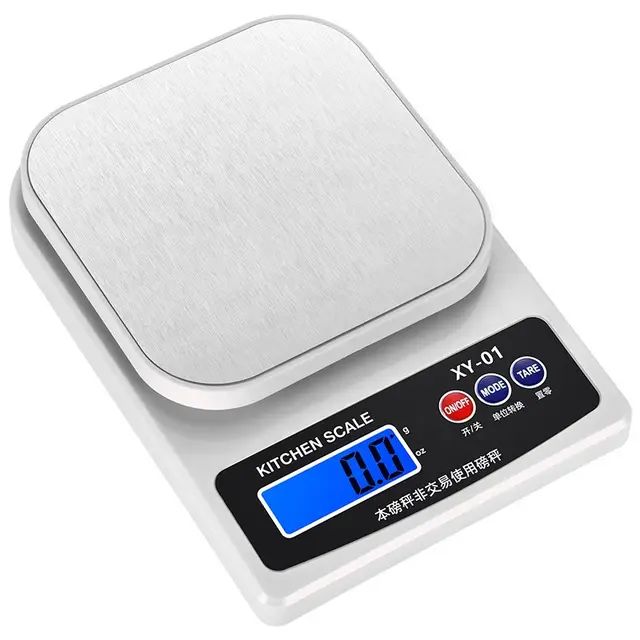
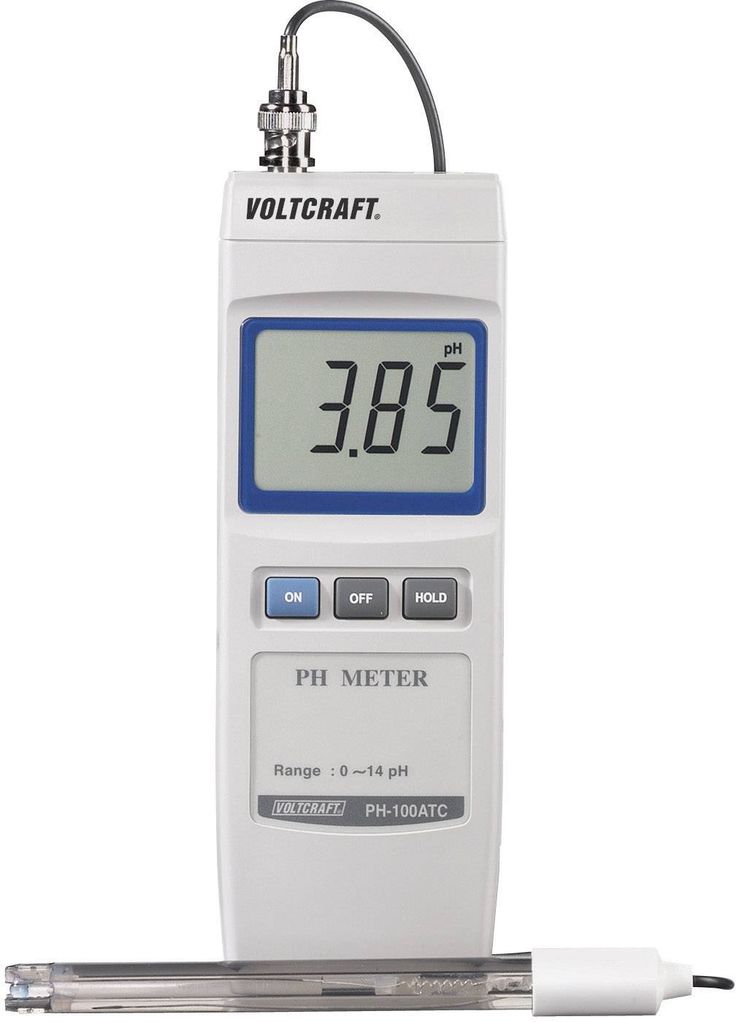
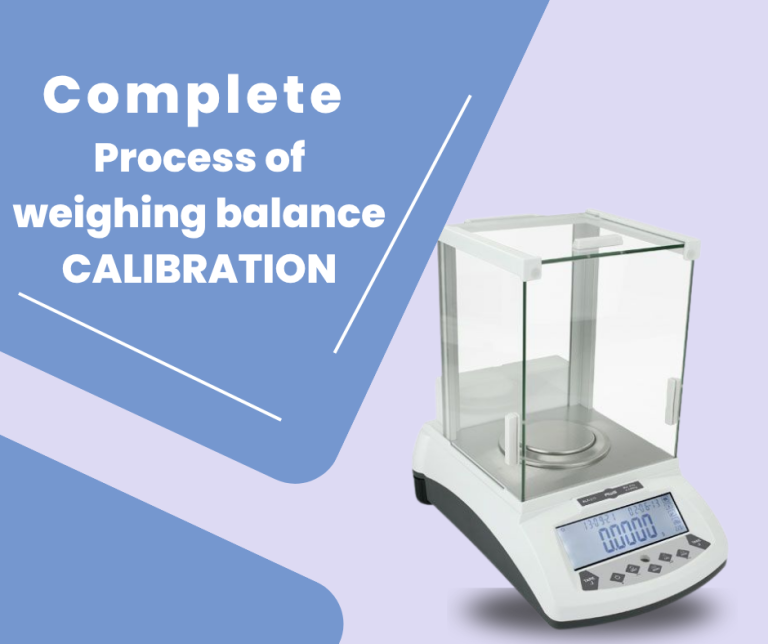
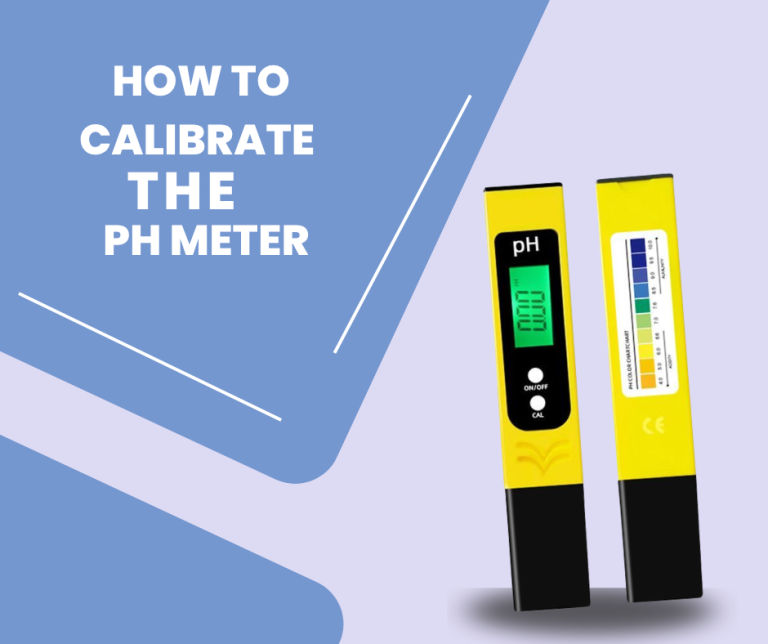
For instance, when calibrating a pH meter, technicians use buffer solutions of known pH values—typically 4.0, 7.0, and 10.0—to check the meter’s response. The same principle applies to instruments like balances, spectrophotometers, thermometers, and pipettes.
Proper calibration ensures that every measurement you take is accurate, repeatable, and compliant with international quality standards.
Why Calibration is Crucial for Laboratories
The credibility and reliability of a laboratory depend directly on the accuracy of its instruments. A small measurement error can cause incorrect conclusions, rejected batches, or even regulatory penalties.
Here are the main reasons why calibration is vital for modern laboratories:
1. Ensures Measurement Accuracy
With frequent use, sensors and electronic components may drift. Regular calibration realigns these devices to ensure that every reading is accurate and reliable.
2. Maintains ISO and Regulatory Compliance
Quality standards such as ISO/IEC 17025 require regular calibration of critical instruments. Following these standards not only ensures compliance but also enhances your lab’s global recognition.
3. Improves Product Quality and Reliability
In fields like food testing, pharmaceuticals, and environmental analysis, even a minor measurement error can compromise product safety. Calibrated instruments guarantee the accuracy needed to protect consumers and ensure reliable results.
4. Prevents Financial Losses and Rework
Inaccurate instruments can lead to repeated testing, wasted materials, and production downtime. Regular calibration minimizes these risks, helping your lab save both time and money.
5. Extends Equipment Life
Calibration often detects early signs of wear or malfunction. Addressing these issues promptly helps extend the lifespan of expensive lab instruments
Common Laboratory Instruments That Require Calibration
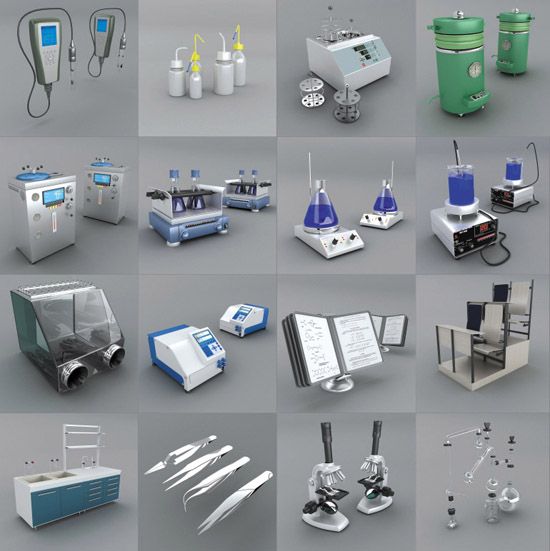
Every lab uses instruments that must be routinely calibrated to maintain performance. Some of the most common include:
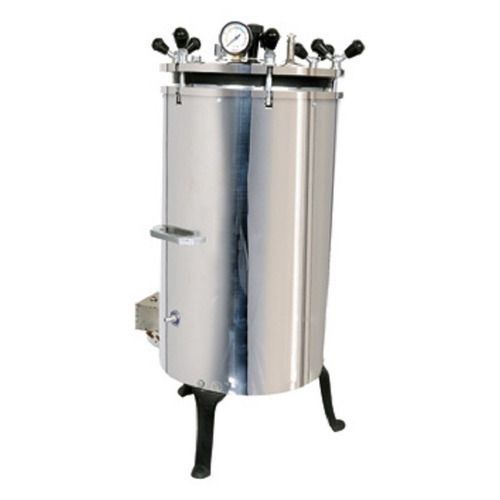
For sterilization validation through pressure and temperature calibration
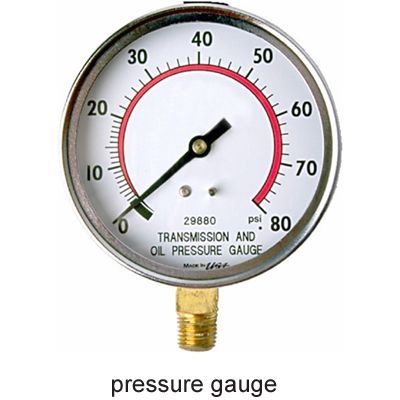
For industrial applications
For process and quality testing
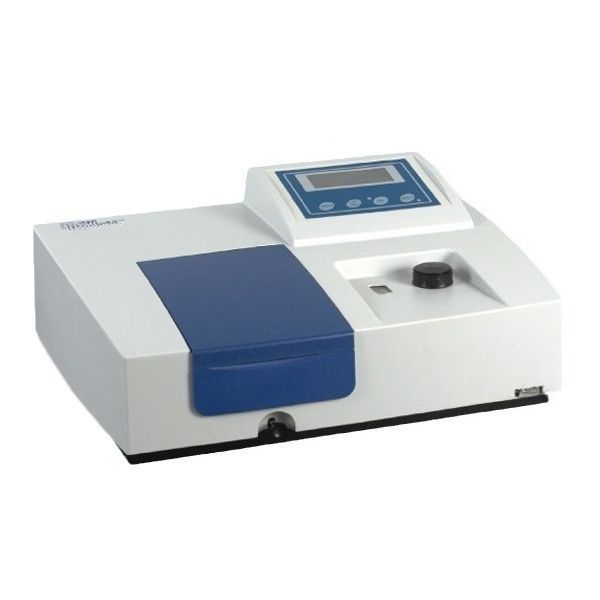
For light absorption and concentration analysis.
For accurate acidity and alkalinity testing.
How Often Should Instruments Be Calibrated?
Calibration frequency depends on several factors—such as the instrument type, frequency of use, manufacturer recommendations, and environmental conditions.
High-precision instruments like balances and spectrophotometers may require calibration every few months, while other devices may be serviced annually.
To stay compliant, laboratories should create a calibration schedule for all instruments and maintain detailed logs. This helps ensure consistency, traceability, and readiness for audits or ISO inspections.
The Calibration Process: Step-by-Step
Here’s how a professional calibration is typically performed:
Inspection and Cleaning – Instruments are checked for damage or contamination before testing.
Environmental Stabilization – Devices are kept under stable temperature and humidity to avoid external influence.
Measurement Comparison – The instrument’s readings are compared with certified reference standards.
Adjustment and Fine-Tuning – If errors are detected, instruments are adjusted back to acceptable limits.
Verification and Validation – Multiple readings confirm consistency and reliability.
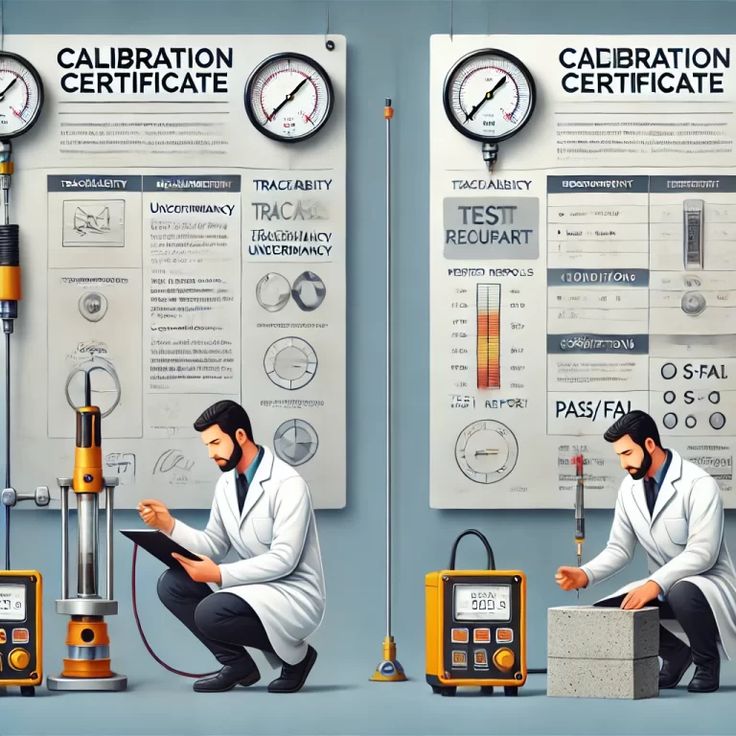
Calibration Certificate – A certificate is issued containing traceability details, results, and the next calibration due date.
This documented proof of calibration is essential for ISO/IEC 17025 audits and ensures traceability and transparency.
Choosing the Right Calibration Service in Pakistan
Not all calibration providers deliver the same level of precision. When selecting a calibration service, make sure the company:
Is ISO/IEC 17025 accredited.
Uses traceable international standards.
Provides detailed and certified calibration reports.
Offers on-site and in-lab calibration.
Employs experienced metrology professionals.
At LabTech.pk, we meet and exceed these standards. Our ISO-certified calibration labs in Pakistan deliver accurate, traceable, and dependable calibration services across industries—from food and water testing to chemical and industrial laboratories.
The Impact of Calibration on Laboratory Credibility
Proper calibration directly enhances your lab’s reputation, client trust, and data reliability. It ensures that every test performed stands up to third-party verification and regulatory review.
By maintaining accurate, well-calibrated instruments, your lab projects professionalism, scientific integrity, and confidence—qualities that attract clients and strengthen your market standing.
Final Thoughts
Calibration of lab instruments is far more than a technical task—it’s a core element of quality assurance and scientific credibility. It ensures your results are accurate, your operations stay compliant, and your reputation remains strong.
At LabTech.pk, we provide professional ISO-certified calibration services across Pakistan. Whether it’s balances, pH meters, spectrophotometers, or autoclaves, our expert team ensures that your instruments deliver precision you can trust and calibration you can count on.